


The right time to start dog training is the first day your dog comes home; if you already have an adult dog, the right time is today. There is no "too early" or "too late"; only what you focus on changes at each age. With a puppy the goal is to build the right habits and introduce the world safely; with an adult it is to replace established habits with new ones.
At What Age Should Training Start?
Dogs learn throughout their lives. How fast they learn and which subjects come easily does change with age. Training does not need a single "start day"; small moments of practice every day last longer than one long session a week. To understand what and how a dog learns, see our article on how dogs learn.
How Does Training Start with a Puppy?
In the first months a puppy gets to know the world, and what it experiences then clearly shapes the adult it becomes. From the day it comes home, focus on the following:
- Name recognition and attention: Reward it for looking at you when it hears its name.
- Toilet routine: Regular times and a reward in the right place; see our house training guide for details.
- Getting used to handling: A calm, rewarded introduction to paws, ears, mouth and grooming.
- Bite control: Redirecting biting during play from objects to a chew toy; we covered it step by step in how to stop puppy biting.
- Getting used to being alone: Starting with short separations and extending them gradually.
Socialization is the most important topic of this period: controlled, rewarded and non-frightening meetings with different people, sounds, surfaces and calm dogs build a puppy's confidence. We explained how to do it in our puppy socialization guide. Because of the vaccination schedule, ask your veterinarian where and with whom your puppy may have contact outdoors.
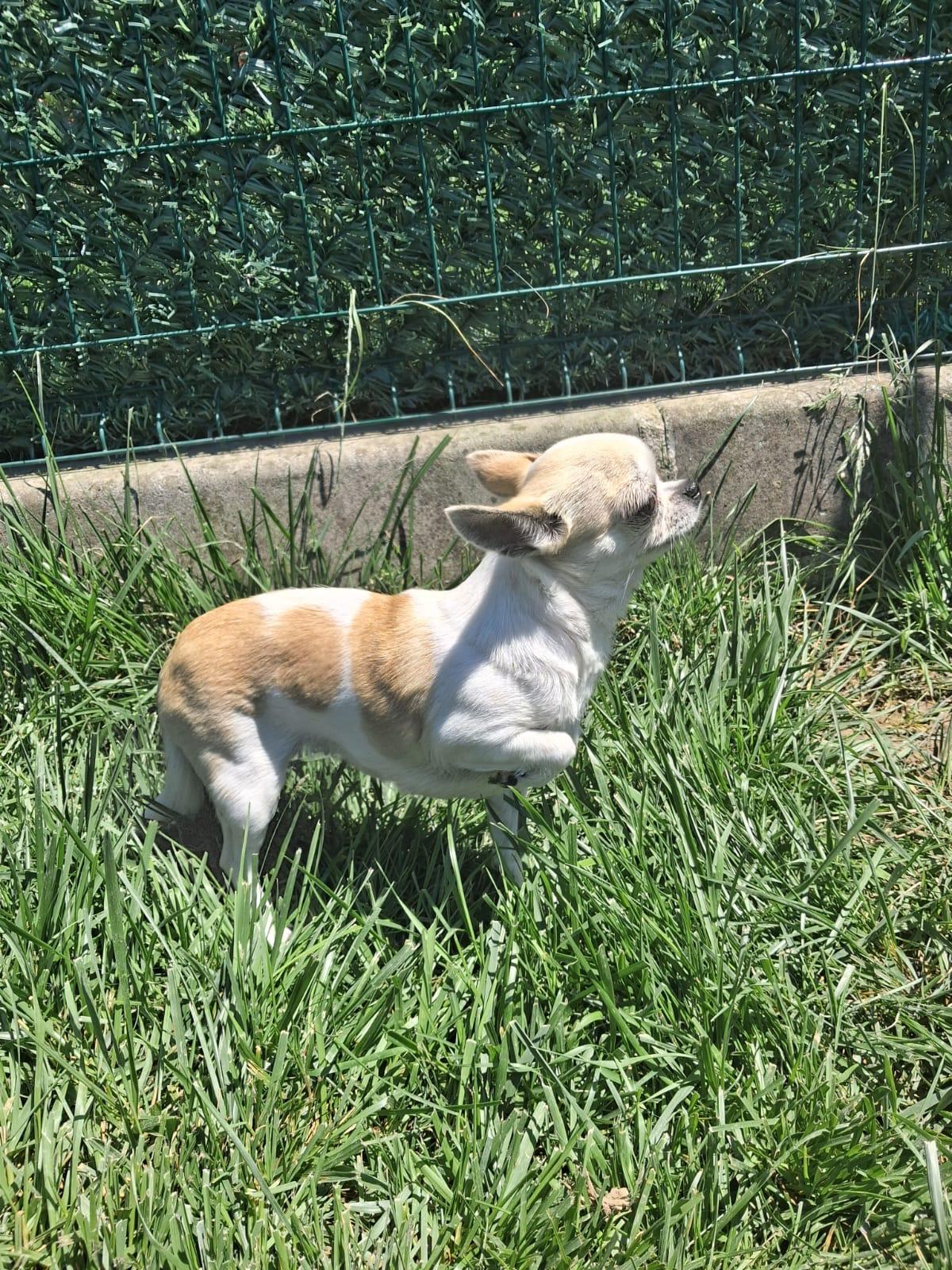
How Does Training Continue in Adolescence?
As dogs move from puppyhood to adulthood they get energetic, easily distracted and may seem to "forget" commands they knew. This is not stubbornness; it is a developmental stage. Instead of stopping or punishing, keep sessions short, consistent and rewarded, raise difficulty slowly and increase daily exercise. If basic obedience becomes a habit in this period, behavior problems are less likely to appear in the adult dog.
Can an Adult Dog Be Trained?
Yes. Adult dogs learn too; because they can hold their attention longer, they may even find some subjects easier than a puppy does. The difference is that with an adult you have to replace a learned habit with a new one, which takes more repetition and patience. If habits such as pulling on the leash, barking or jumping were rewarded for years, they need weeks of consistent work to fade.
With adult dogs coming from a shelter or another home, let them settle into the new routine in the first days; build a calm routine for the first weeks, then move on to training.
Can a Senior Dog Learn New Things?
Senior dogs also enjoy mental activity. The point to watch is physical capacity: for a dog with joint problems or loss of sight or hearing, short, low-pressure, sniffing-based sessions suit better than high-tempo work. If you notice limping, reluctance or a change in behavior during training, consult your veterinarian.
What Are the Most Common Mistakes by Age?
- Waiting for it to "grow up a bit": Unwanted habits settle in while you wait.
- Long, tiring sessions for a puppy: Attention span is short; short and frequent practice works better.
- Giving up in adolescence, thinking the dog is "spoiled": This temporary stage is when training most needs to continue.
- Saying "an adult never changes": It changes; it just takes more repetition.
- Punishment-based methods: At any age they increase fear and anxiety.
For everyday habits at home, see our top 10 dog training tips as well.
When Is Professional Support Needed?
Most training moves forward at home with consistent, patient work. But if any of the following sounds familiar, it is time for professional support:
- There is no progress despite several weeks of consistent work.
- Your dog growls, lunges or tries to bite.
- There are signs of intense fear, anxiety or being unable to stay alone.
- You need a roadmap that fits your dog's age and situation.
At our dog training center in Zekeriyaköy we first get to know your dog and evaluate it; the right program is determined in that evaluation. For service and fee information, see the price list.
Frequently Asked Questions
What age is too late to start dog training?
No age is "too late". Adult and senior dogs also learn new behavior; the process just takes more patience because old habits are already set. With senior dogs, consider physical capacity and health together with your veterinarian.
Can I train a puppy before its vaccinations are finished?
Yes. Name recognition, a toilet routine and getting used to handling can start at home in a safe environment right away. Ask your veterinarian about the vaccination schedule before outings, meeting other dogs and socialization.
What is the difference between puppy training and adult dog training?
With a puppy the goal is to build the right habits from the start and introduce the world safely. With an adult you often have to replace an established habit with a new one. The principle is the same for both: reward the behavior you want and keep sessions short and consistent.
Why does my dog stop listening during adolescence?
During adolescence dogs get distracted and may seem to "forget" commands they knew. This is a temporary developmental stage. Instead of stopping, keep going with short, consistent, rewarded sessions.
When does my dog need professional training?
Get professional support if there is no progress despite consistent work at home, if there is growling, attempts to bite or intense fear and anxiety, or if you need a roadmap that fits your dog's age and situation. Your dog is evaluated first and the suitable program is determined at the meeting.