


There is no single answer to how long dog training takes; the timeline depends on the dog's age, temperament, earlier habits and your goal. For that reason, be wary of anyone who promises a fixed number of weeks. The right question is not "how many weeks?" but "how much progress, for which goal?" Below we explain what sets the timeline, the stages a dog goes through and what an owner can do to shorten it.
What Sets the Length of Dog Training?
Several factors work together:
- Goal: Basic commands such as sit and down, coming reliably when called and solving a settled behaviour problem do not take the same time.
- Age and temperament: A high-energy, easily distracted dog and a calm dog move at different speeds. We cover the age stages in a separate article.
- History: Changing a habit that has run for years usually needs more repetition than teaching a new behaviour.
- Pattern of repetition: Short, frequent practice lasts longer than rare, long sessions.
- Consistency at home: Progress slows when people at home do not use the same command and the same rule.
- Health and environment: Pain, fear or a very distracting setting delays learning.
What Stages Does a Dog Go Through?
Whatever the method, a dog usually learns a behaviour through the same steps. Dogs learn through repetition and context, and these steps reflect that:
- Teaching: The dog meets a new behaviour in a calm setting without distractions.
- Reinforcing: The same behaviour is repeated and rewarded when done correctly.
- Generalising: The behaviour becomes reliable in different places, with different people and around distractions.
- Lasting: The command works on its own in daily life without a reward.
Generalising is the part people overlook. A command the dog does perfectly indoors but not in the park or at the front door is not a failure; it is a normal step in the process. This is where the timeline stretches most, because each new place tests the behaviour again.
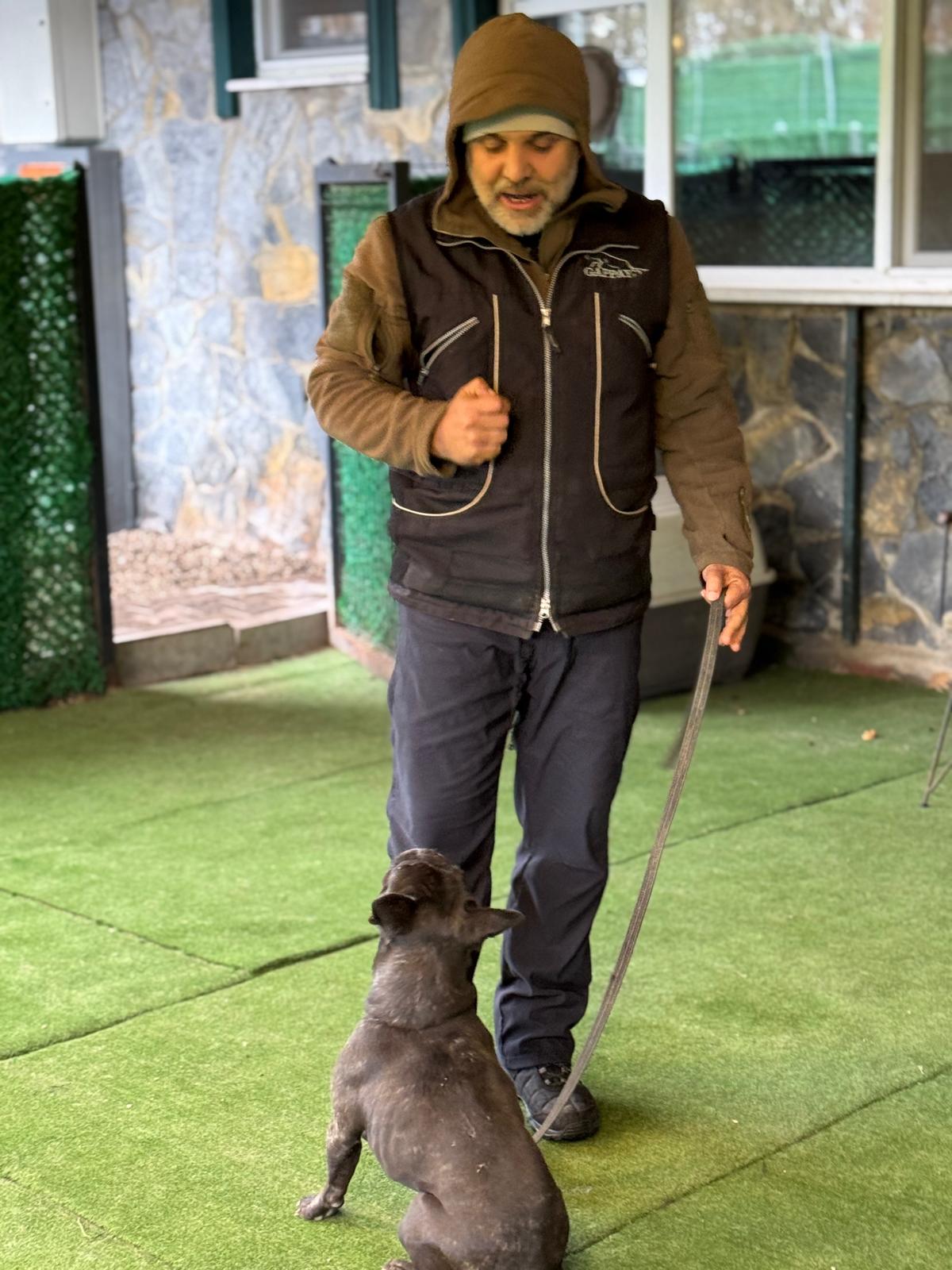
Why Can't Everyone Be Given the Same Timeline?
Because two dogs do not learn the same command at the same speed. One dog grasps a behaviour in the first week, while another needs longer repetition to settle the same one. A fast dog is not "better" and a slow dog is not "worse"; they simply have a different learning tempo. An approach that promises a timeline ignores this difference. The honest way is to get to know the dog first, make the goal clear, and let the timeline emerge by watching progress.
What Can You Do to Speed Training Up?
You shorten the timeline with consistency, not with a calendar. These make a difference:
- Set a clear goal: Choose something measurable such as "walk on a leash without pulling" instead of "be better".
- Practise short and often: A few minutes of regular repetition a day lasts longer than one long session a week.
- Use the same cue: Everyone at home should use the same word and the same rule.
- Reward the behaviour you want: A behaviour that is noticed repeats.
- Raise difficulty gradually: Move to the next setting once the dog succeeds in the current one.
- Avoid punishment: Fear and anxiety slow learning and lengthen the timeline.
You can read how basic commands work in our basic obedience training article and find everyday habits in our top 10 dog training tips.
Is the Work Over When Training Ends?
No. The end of training does not mean the gains are permanent; a command gains meaning together with the person who uses it. It is normal for a dog to seem to "forget" some commands for a while after coming home, and it is temporary. Keeping the same rules at home and short regular practice decide how well results last. That is why, in the residential model where the dog stays at the facility during training, adaptation work with the owner at handover is part of the process.
What Mistakes Are Common About Training Time?
- Expecting quick results: Expecting a perfect result in a short time leads to disappointment and needlessly harsh methods.
- Taking long breaks: Working a few days and stopping for weeks weakens what was learned.
- Teaching too much at once: Working on several commands together confuses the dog.
- Making the setting hard too soon: Asking for a command in a crowd before it is learned brings failure.
- Not tracking progress: An owner who does not track what improves against the goal cannot see progress and loses motivation.
When Is Professional Support Needed?
If any of these sound familiar, it is the right time for professional support:
- There is no clear progress despite several weeks of consistent work.
- Your dog growls, lunges or tries to bite.
- There are signs of strong fear, anxiety or inability to be left alone.
- You do not know where to start or cannot spare the time at home.
First we get to know and assess your dog at our dog training centre; the timeline and scope become clear in the plan after that assessment. You can check current items on the price list. If you suspect a health problem, consult your veterinarian first.
Frequently Asked Questions
How long does dog training take?
There is no single right answer. The dog's age, temperament, earlier habits and your goal set the timeline. Even for basic commands, progress follows the dog's learning pace, not the calendar; the timeline becomes clear after the assessment and plan.
What makes training take longer?
Settled habits, fear and anxiety, inconsistent rules at home and irregular practice all lengthen it. An unclear goal also scatters the plan.
Do I need to keep practising after training ends?
Yes. Commands settle through repetition; without regular short practice at home the gains can fade. That is why the handover includes adaptation work together with the owner.
Does a puppy train faster than an adult dog?
New habits settle easily in puppies, but their attention span is short. In an adult dog, changing a settled behaviour needs more consistency. In both cases age is considered when the plan is built.
How is the training time decided at PatiLee?
We start with a free consultation, then the dog goes through a character and behaviour assessment. The result is shared as a written report and training plan; training does not start without your approval. This assessment sets the timeline.
Can a health problem affect training?
Pain or illness can affect learning and behaviour. If you have any health concern about your dog, consult your veterinarian first.