


The "come" command is taught with short, rewarded repetitions, first in a calm place without distractions: you say your dog's name and the word "come" once, greet your dog with a reward it loves the moment it reaches you, and raise the difficulty step by step. The most important rule of this command is that coming to you always ends with something good. Below we explain the method from home to the outdoors, the most common mistakes and why a dog does not come.
Why Is the Come Command So Important?
Above all, "come" is a safety command. It is the fastest way to call back a dog that slips out of an open door, heads towards a road or runs at another dog. It is also the basis for going safely to the park, shared areas and off-leash walks where they are allowed. So the goal is not a dog that "sometimes comes", but a dog that comes reliably when called, in different places too.
Come is harder than commands such as sit or stay, because you ask the dog to leave whatever interests it at that moment and turn back to you. To succeed, coming to you must be worth more to the dog than everything around it. Every step of the method rests on this idea.
What Do You Need Before You Start?
- A valuable reward: Your dog's favourite small treats or favourite toy. Its ordinary food is often not enough outdoors.
- One word: "Come" or "here"; everyone at home should use the same word in the same tone.
- A calm place: The first sessions are done indoors, where there are the fewest distractions.
- A long line: When you move outdoors, a lead several metres long keeps the dog safe.
- Short sessions: A few minutes, several times a day, works better than long and tiring sessions.
How to Teach a Dog to Come, Step by Step?
- Pair the word with a reward: While your dog is next to you, say "come" and reward at once. Repeat this a few times a day for a few days; the dog starts to turn to you when it hears the word.
- Call from a short distance: When the dog is a few steps away and looking at you, call once. When it comes, reward it happily. Crouching or taking a few steps back draws the dog towards you.
- Touch the collar, then release: When the dog comes, gently touch its collar or harness, reward, and let it go again. This way coming does not always mean the end of the game.
- Increase the distance: Call from different rooms, then from the garden or a quiet area.
- Add distractions: Work first with a small distraction (a toy on the floor), then with harder ones. With each new challenge, shorten the distance and start easy.
- Move outdoors on a long line: Work in a park or open area with the long line attached. If the dog does not come, the line keeps it safe and you do not have to shout the cue again and again.
- Vary the reward, but do not drop it: Alternate treats, play and praise. With recall, rewards continue for much longer than with other commands.
Dogs remember a behaviour together with the place they learned it; that is why it is normal for a dog that comes perfectly at home not to come in the park. We explain why in our article how do dogs learn.
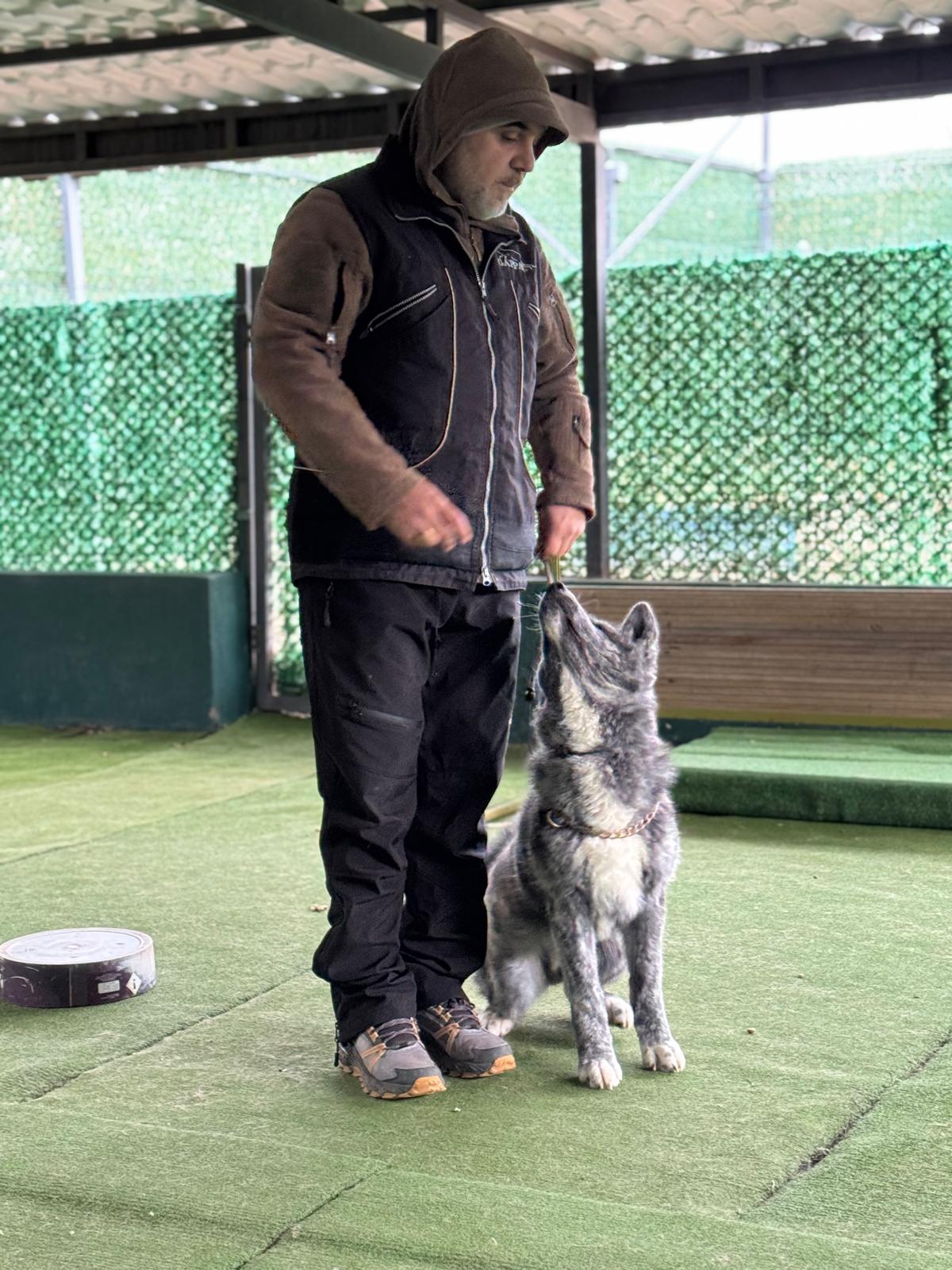
Why Does My Dog Not Come When Called?
A dog that does not come is usually not stubborn; it is showing you that coming is not worth much to it. The most common reasons are:
- Coming ends with something bad: Going inside, a bath, leaving the park or a scolding. The dog links the word "come" with these endings.
- The word has lost its meaning: A constant "come, come, come" with nothing behind it turns into background noise for the dog.
- The surroundings beat the reward: A smell, another dog or a bird; if your reward cannot compete, the dog does not come.
- It got hard too early: A command that had only just settled at home was tested in a busy park.
- Everyone uses a different word: If one person says "come", another "here" and someone else only the dog's name, the dog struggles to understand what is asked.
If your dog has not responded to calls for a long time, or comes cowering as if it wants to flee, fear or discomfort may be behind it. If you have any health concern, consult your vet first.
What Are the Most Common Mistakes?
- Scolding a dog that comes late: Even if it is late, a dog that comes to you gets a reward; otherwise it comes even more slowly next time.
- Repeating the command: Say it once. If the dog does not come, shorten the distance or make the setting easier instead of raising your voice.
- Chasing the dog: This turns into a game of chase. Moving a few steps away in the opposite direction brings the dog to you.
- Only calling at the end of play: The dog learns that "come" means the fun is over.
- Letting the dog off too early in open areas: Working off-leash before the command is solid in every setting is a safety risk and adds failed attempts.
When Should a Puppy Learn to Come?
A puppy can be introduced to its name and the word "come" as a game from its first days at home. Puppies already tend to follow their owners, which makes this period a good chance to start. Adult dogs can learn to come as well. If the old word is loaded with bad memories, starting fresh with a new word makes things easier. You can read when training can start in our article at what age does dog training start.
How Do You Make Recall Last?
Recall is not learned once and left; it grows stronger with regular use. Scatter small calls through the day: call the dog while it wanders in the garden, reward it and release it again at once. Call now and then on walks too, and do not clip the lead on after every call. This way the dog learns that coming to you usually means the fun continues.
Everyone at home applying the same rules is also a condition for lasting results. For other problems on walks, see our article on loose leash walking training; for daily habits, see our top 10 dog training tips.
Do You Need a Separate Emergency Recall?
Some owners choose, next to the everyday "come", a separate word or whistle used only in truly important moments. This call is always met with the most valuable reward and is used rarely, so it keeps its meaning for the dog. If your everyday word is worn out, this can be a good fresh start. But the emergency recall is taught with the same steps in a calm place too; it is never tried for the first time in a real emergency.
When Is Professional Support Needed?
If one of the following sounds familiar, it is time to talk to a trainer:
- Despite regular practice, your dog never turns back to a call outdoors.
- Your dog tends to escape through the door or from the garden.
- When you call, it comes cowering or fearful, or moves away from you.
- Your dog runs uncontrollably at other dogs or people.
At our dog training centre the process starts with a free consultation; we then take your dog for a character and behaviour test and share the result as a written report and training plan. In which settings and in what order recall is worked on is decided in the assessment. Training does not start without your approval, and at handover an adaptation session is done together with you. For current items, see the price list.
Frequently Asked Questions
How many days does it take to teach a dog to come?
Pairing the word with a reward starts within a few days, but a reliable recall in every setting takes weeks of regular repetition. The time depends on the dog's age, temperament and how consistent the practice is.
My dog comes at home, so why not outside?
Dogs remember a behaviour together with the place they learned it. Outdoor smells, sounds and other animals are more interesting than the reward at home; in every new place you need to start again from easy steps.
Should I scold a dog that comes late?
No. Even if it is late, a dog that comes to you should get a reward. Scolding makes the dog link the word "come" with a bad ending and come more slowly next time.
Which reward should I use for recall?
Your dog's favourite small treats or favourite toy. Because recall is a hard command, the reward needs to be valuable; ordinary food is often not enough outdoors.
When can I let my dog off the leash?
When your dog comes reliably on a long line in different settings and next to distractions. Even then, only let it off in places where this is allowed and safe.
What should I do if my dog comes to me fearfully?
Review what happens after you call and make coming enjoyable again. If the fear is clear or has started recently, consult your vet about possible discomfort.